

9.2
PC / 4K
Echoes of Rome: Digital Grandeur
A masterclass in environmental storytelling where the architecture of a futuristic Italy tells the story of its own decline without a single line of dialogue.
View Full ReportWe don't just play; we deconstruct. CreativeBase Online reviews are built on the intersection of technical performance, UI architecture, and environmental storytelling. This is gaming analysis for those who look beneath the surface.
Analyzing the shift from visual fidelity to input latency optimization in the 2026 competitive cycle.
Read the Lead →The first time you engage the 'Ocular Drift' mechanic in Apex Protocol, you realize the developers aren't chasing photorealism—they're chasing sensory truth. Unlike its predecessors, the movement system relies on a variable momentum curve that accounts for every millisecond of input lag. It is a game that demands your hardware be as responsive as your reflexes.
Contrast this with the current market trend of "visual-first" design. Apex Protocol utilizes a brutalist, low-poly aesthetic that serves a singular purpose: clarity. In our test environment (RTX 50-series, 240Hz delivery), the visual noise was zero, allowing the environmental storytelling—a single flickering light in a derelict server room—to carry more emotional weight than a thousand pre-rendered cutscenes.
"The sound of a casing hitting the floor isn't just audio; it's a spatial data point that tells you exactly where your enemy failed."
The UI architecture is where the game truly shines. It isn't a menu; it's a diagetic extension of the character’s HUD. Every interaction, from inventory management to skill-tree navigation, happens within the game world’s 3D space, maintaining a level of immersion few titles in 2026 have dared to attempt.
Competitive Pacing
Low Input Latency
Casual Accessibility

Fig 01.1: Diagetic UI HUD transparency analysis
Our evaluation and robustness testing are conducted on standardized rigs in Milan. We focus on 'Fail State' analysis: observing how the game engine handles asset streaming during peak input saturation. We do not use "fun" as a metric; we use operational consistency.
A masterclass in environmental storytelling where the architecture of a futuristic Italy tells the story of its own decline without a single line of dialogue.
View Full Report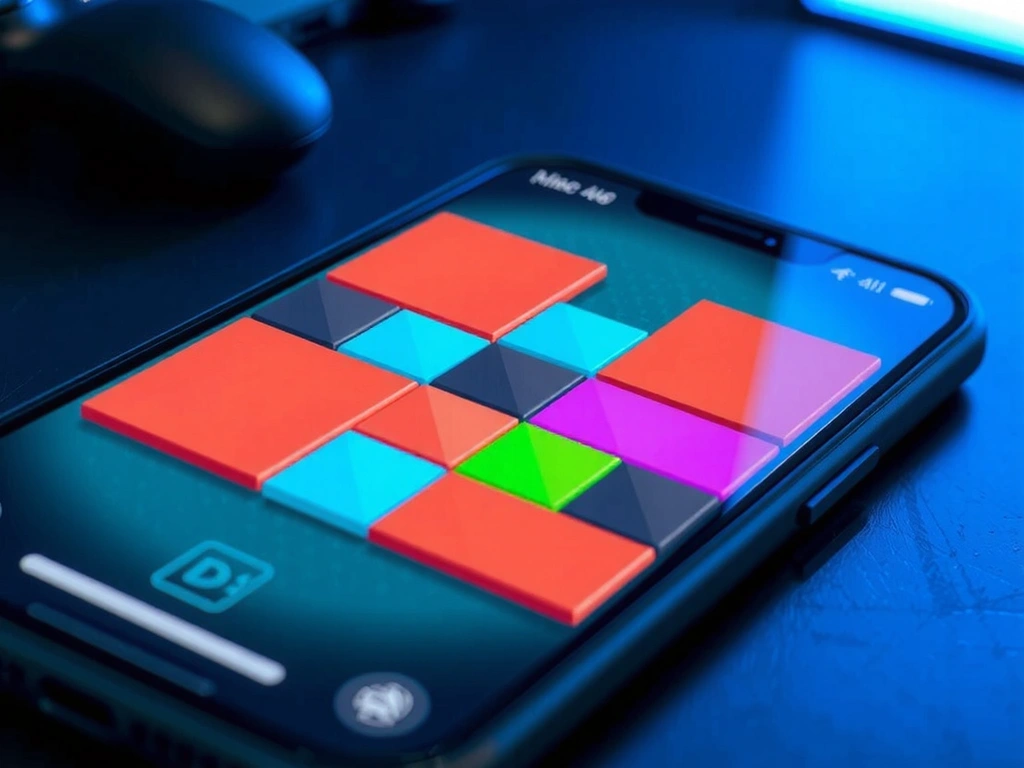
Analyzing how haptic feedback triggers and audio loops create a compelling "flow state" despite the simplistic core mechanics.
View Full Report
A technical breakdown of how the latest Unreal Engine 6 optimization patch affects local server latency in Milan vs. Rome.
View Full ReportA review is only as good as the hardware it was born on. At CreativeBase Online, we acknowledge the constraints that shape our analysis. We do not review games in a vacuum; we review them within the context of the Italian network infrastructure and the specific hardware benchmarks of the current year.
Our recommendations change if your ping exceeds 30ms or if your display caps at 60Hz. We prioritize stability over "eyecandy" because, in competitive play, a missed frame is a failed experience.
Reviews assume a connection to European hubs (Frankfurt/Milan). Latency results may vary wildly outside this radius.
We strictly penalize mechanics that favor transaction frequency over skill acquisition. Integrity is non-negotiable.
Game reviews are a snapshot. A post-launch patch of 1.2GB can—and often does—invalidate technical stability scores.
We value accessibility, but we do not sacrifice mechanical depth for it. Complexity is a design choice, not a flaw.
Our database spans over 500 deep-dive reports. From indie scouts searching for the next cult hit to hardware benchmarkers pushing GPUs to their limits, CreativeBase is the index for the modern operator.
Via Roma 123, 00100 Roma, IT
+39 06 1234 5678